Clementine
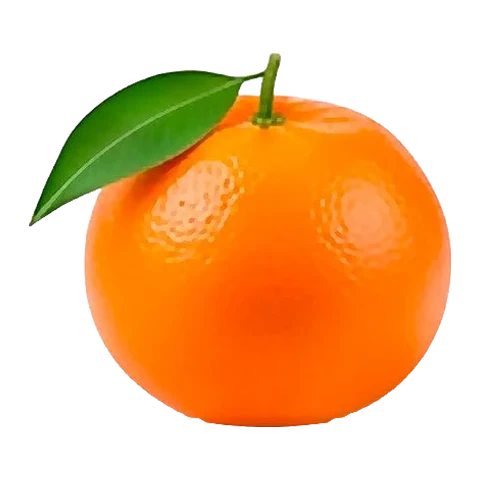
The Corsican clementine PGI is recognisable by the leaves left on the fruit.
- Season: November, December, January, February
- Peak season: December, January
- Botanical family: Rutaceae
History
The clementine is named after Brother Clément (Vital Rodier), who discovered it around 1902 in the garden of an orphanage near Oran, Algeria. Probably a cross between a mandarin and an orange tree, it was planted in Corsica from the 1920s.
Origin and growing regions
French clementines are grown in Corsica, mainly on the eastern plain:
- Corsica (eastern plain)
Corsican clementines have a PGI: they are picked ripe and sold with their leaves, a sign of freshness.
Benefits
The clementine is winter’s treat fruit:
- Vitamin C: Two clementines cover a good share of daily needs.
- Moderate energy: About 47 kcal per 100 g.
- Fibre: In the membranes of the segments.
- Handy: Easy to peel, perfect for snacks.
Varieties
- Corsican clementine: PGI, sold with its leaves.
- Oronules: Early, from October.
- Clemenules: Big and juicy, the most grown in Spain.
- Hernandina: Late, until February.
Zero waste
- Storing: Somewhere cool, in a bowl: 1 to 2 weeks. A little longer in the fridge.
- Freezing: In segments or as juice: up to 6 months.
- Nothing goes to waste: Dried peel flavours herbal tea or a cake. Candied, it makes treats.