Tomato
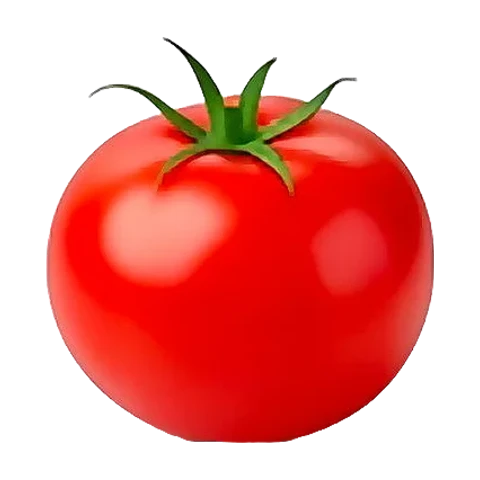
A fruit in botanical terms, cooked as a vegetable; it only has real flavour in high summer.
- Season: June, July, August, September
- Peak season: July, August
- Botanical family: Solanaceae
History
Native to the Andes, the tomato was domesticated in Mexico before Spanish explorers brought it to Europe in the 16th century. A relative of deadly nightshade, it was long thought to be poisonous and grown as an ornamental plant, nicknamed the “love apple”. It only became part of French cooking in the late 18th century, starting in Provence.
Origin and growing regions
France grows tomatoes mostly in greenhouses, and also in open fields in summer:
- Brittany
- Pays de la Loire
- Provence-Alpes-Côte d’Azur
- Occitanie
Heirloom varieties (Beefsteak, Black Krim, Marmande) are back on summer market stalls.
Benefits
The tomato is a pillar of the Mediterranean diet:
- Rich in lycopene: This red antioxidant pigment is better absorbed when the tomato is cooked with a little oil.
- Very hydrating: About 94 % water, for barely 20 kcal per 100 g.
- Source of vitamin C: Especially when eaten raw and fully ripe.
- Potassium: Helps maintain normal blood pressure.
Varieties
- Beefsteak: Fleshy with few seeds: the queen of salads.
- Roma: Elongated and not very juicy, perfect for sauces.
- Cherry: Small and sweet, for nibbling.
- Black Krim: Dark flesh with an intense taste.
- Pineapple: Large yellow-orange fruit, very mild.
Zero waste
- Storing: At room temperature, never in the fridge: it loses its taste there. 3 to 5 days.
- Freezing: Whole and raw, in a bag: the skin slips right off under hot water. For sauces, up to 12 months.
- Nothing goes to waste: Overripe tomatoes make the best sauce. Green end-of-season tomatoes can be turned into jam or chutney.